Selling Apple Store gift cards in Nigeria has become a common practice for individuals looking to convert unused digital or physical cards into local currency. Many Nigerians receive these cards as gifts from abroad, purchase them accidentally, or no longer need them for their Apple devices—making them a valuable asset to exchange for Naira. The demand for these cards remains steady because they allow local users to access Apple’s ecosystem (including apps, music, iCloud storage, and device accessories) without navigating international payment restrictions or direct currency conversion fees. Before selling, it’s essential to confirm the card’s details: its remaining balance, region compatibility, expiration date, and whether it’s a physical or digital code to avoid disputes later.
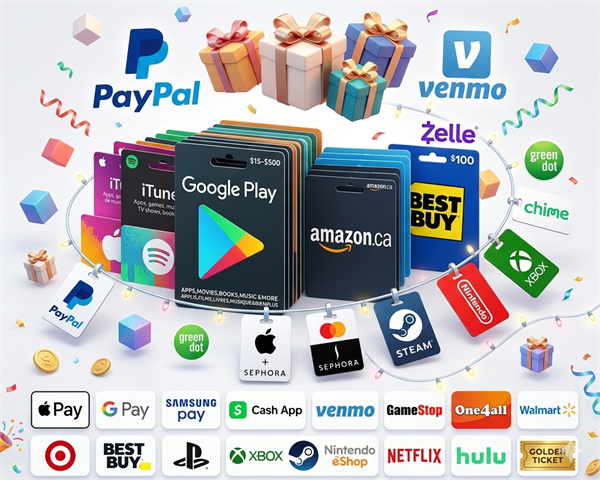
There are several reliable ways to sell Apple Store gift cards in Nigeria, with peer-to-peer (P2P) marketplaces and local gift card exchange platforms being the most common. When using these platforms, users typically create a listing that includes the card’s key details, set a competitive rate based on current market trends (adjusted for currency fluctuations between the card’s denomination and the Nigerian Naira), and wait for interested buyers. For digital cards, the process is often faster: once a buyer agrees to the rate, they send payment via local methods like bank transfers or mobile payment services, and the seller provides the gift card code through a secure channel (such as encrypted messaging or the platform’s built-in system). Physical cards may require arranging a trusted courier or in-person exchange to ensure both parties receive what they agreed upon.
To minimize the risk of scams when selling Apple Store gift cards in Nigeria, it’s crucial to follow key precautions. First, only use platforms with verified user profiles and escrow services—escrow holds the buyer’s payment until the card is confirmed valid, protecting both sides from fraud. Second, never accept offers significantly above the current market rate, as these are almost always scams designed to lure unsuspecting sellers. Third, avoid sharing unnecessary personal information and never disclose your Apple ID or password, as gift cards are independent of user accounts. Finally, always confirm that payment has been fully received and cleared before sending the gift card code or handing over a physical card.
Additionally, sellers should be aware of market dynamics that affect their gift card’s value. Cards denominated in major currencies like the US Dollar often have higher demand and more stable rates compared to those from other regions. Currency exchange fluctuations between the card’s denomination and the Nigerian Naira can also impact the Naira amount received, so checking real-time rate updates before listing is advisable. It’s also important to ensure transactions comply with local financial regulations—avoiding unlicensed platforms prevents legal issues and ensures both parties are protected under applicable laws. By following these steps, sellers can safely and efficiently convert their Apple Store gift cards into local currency in Nigeria.